
Automatic at-risk customer detection
Know who is about to leave, while they are still here
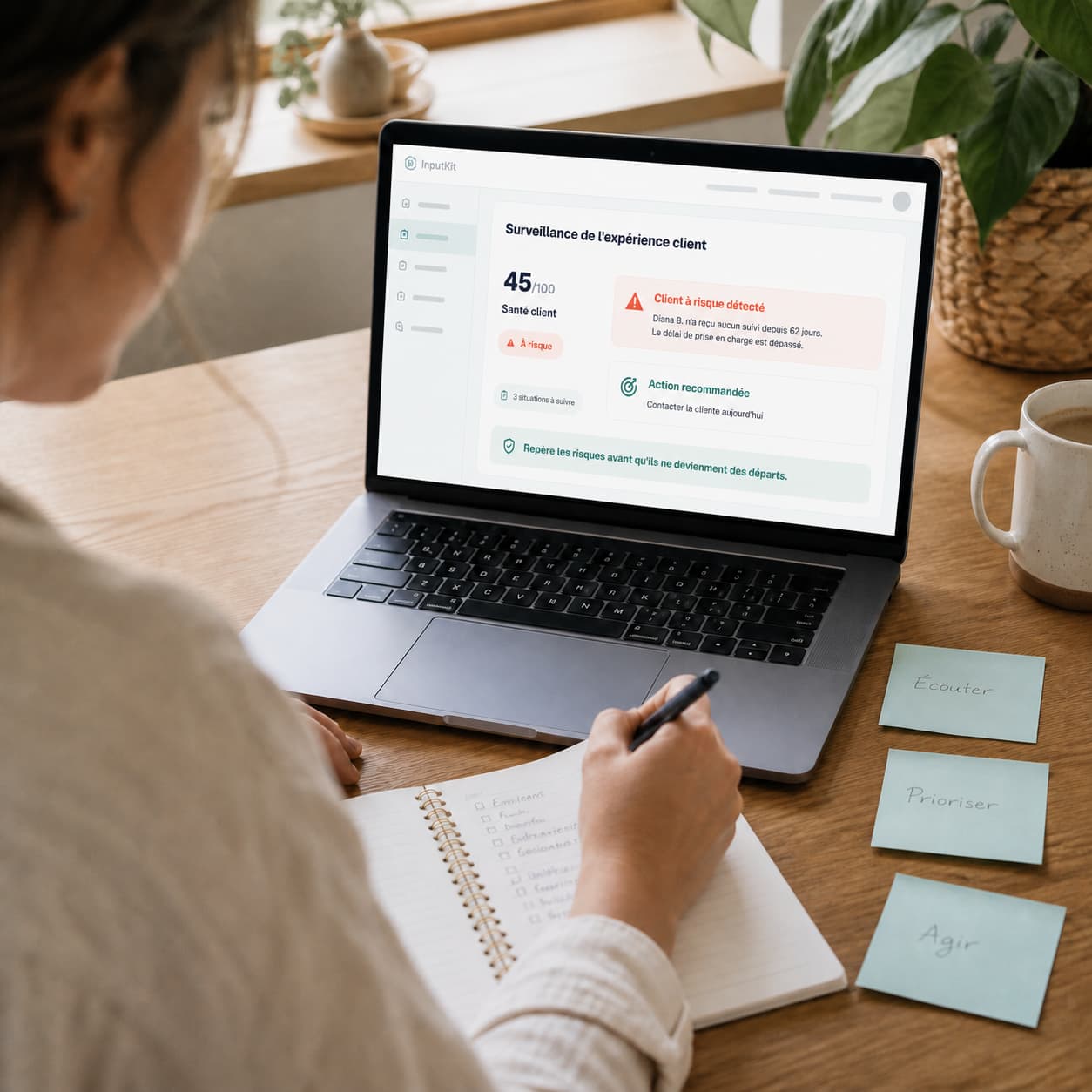
Every response is scored against your own satisfaction thresholds. The moment a customer falls below the line, the alert lands on your dashboard, the right person gets an email, and the clock on handling time starts running.

5–25× acquisition cost
+5% retention lift
8% customers agree








The cost of the blind spot
The customer who leaves doesn't warn you
They answer politely, never call back, and their dissatisfaction shows up nowhere. You find out at the renewal that never comes.
5 to 25×
more expensive to acquire a new customer than to keep an existing one
80% vs 8%
of companies believe they deliver a superior experience. Only 8% of their customers agree
The at-risk customer never writes to you. They answer the survey, then they disappear. Your only window to act sits between the two.
Forty-two responses come in over the week, spread across several surveys. A 3 out of 10 for an unresolved issue sits in the same list as all the others. The filter isolates it, flags it as an at-risk customer, assigns it to an owner, then measures a first contact at 2 hours 14.
The signal that drowns in the volume, then isolates itself
From the response to the closed case, with nobody watching the queue
What automatic detection changes:
You mark scale questions and the NPS question as satisfaction determinants. An NPS of 7 or more, or a scale score of 6 out of 10 or more, marks the customer as satisfied. Below that they tip into the at-risk group, regardless of survey wording or language.

The alert is added to the dashboard and the owner gets an email with a direct link to the response. Automatic sentiment analysis also classifies written comments as positive, negative, mixed, or neutral, so delicate cases surface faster.
Four statuses frame the follow-up: to handle, assigned, customer contacted, done. You assign an owner, the team adds internal notes, and time to first contact is calculated on its own in business hours.


Attract more customers. Give them a reason to stay.
Bring Google reviews, retention and customer experience together to grow your business. Explore the solutions that pair with this one.
 Customer retention
Take care of your unhappy customers
Private channel and real-time alerts.
 Customer retention
Win back your customers' trust
Write to the unhappy customer, by email or SMS.
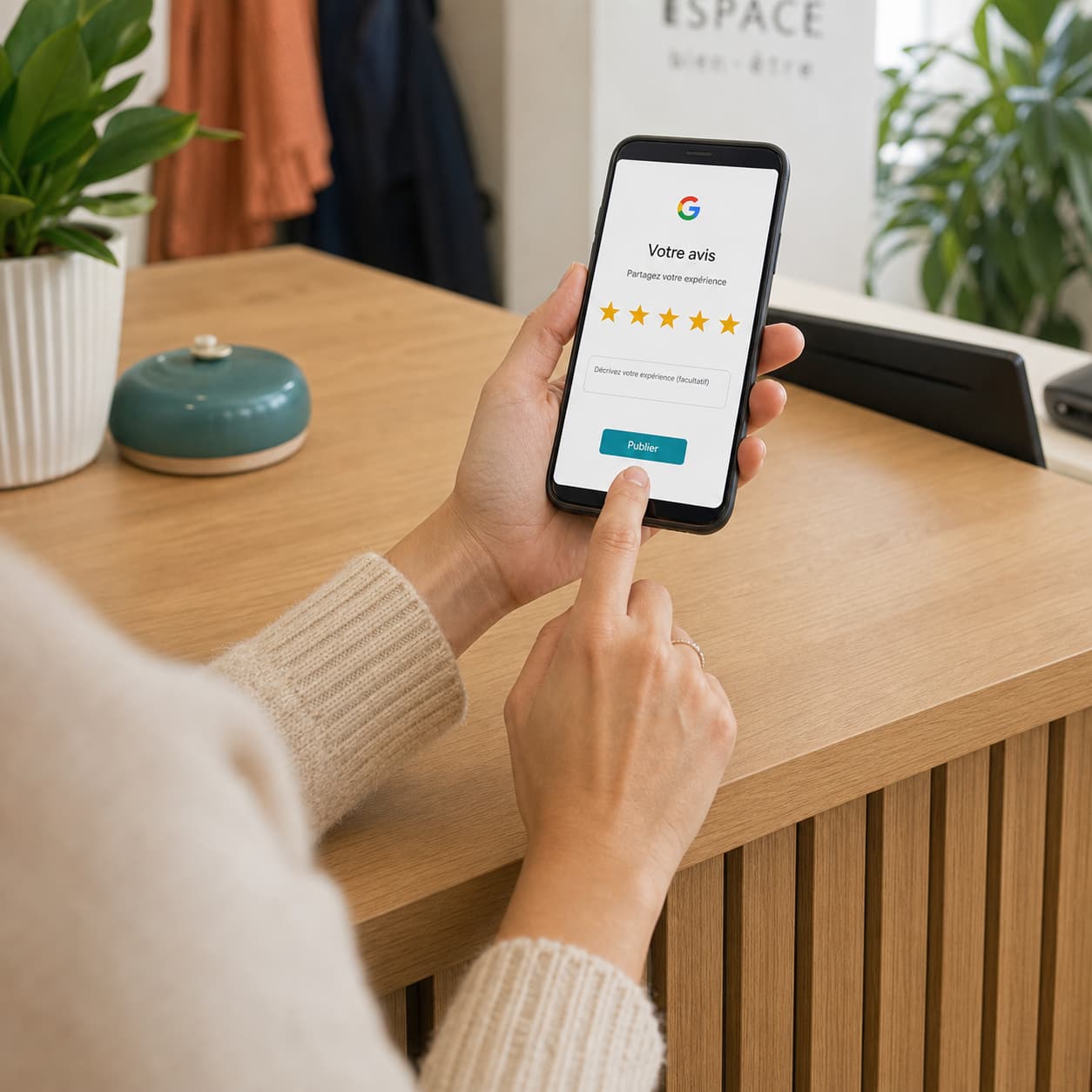 Google reviews
Get more Google reviews
Automatic invitations, by email or SMS.
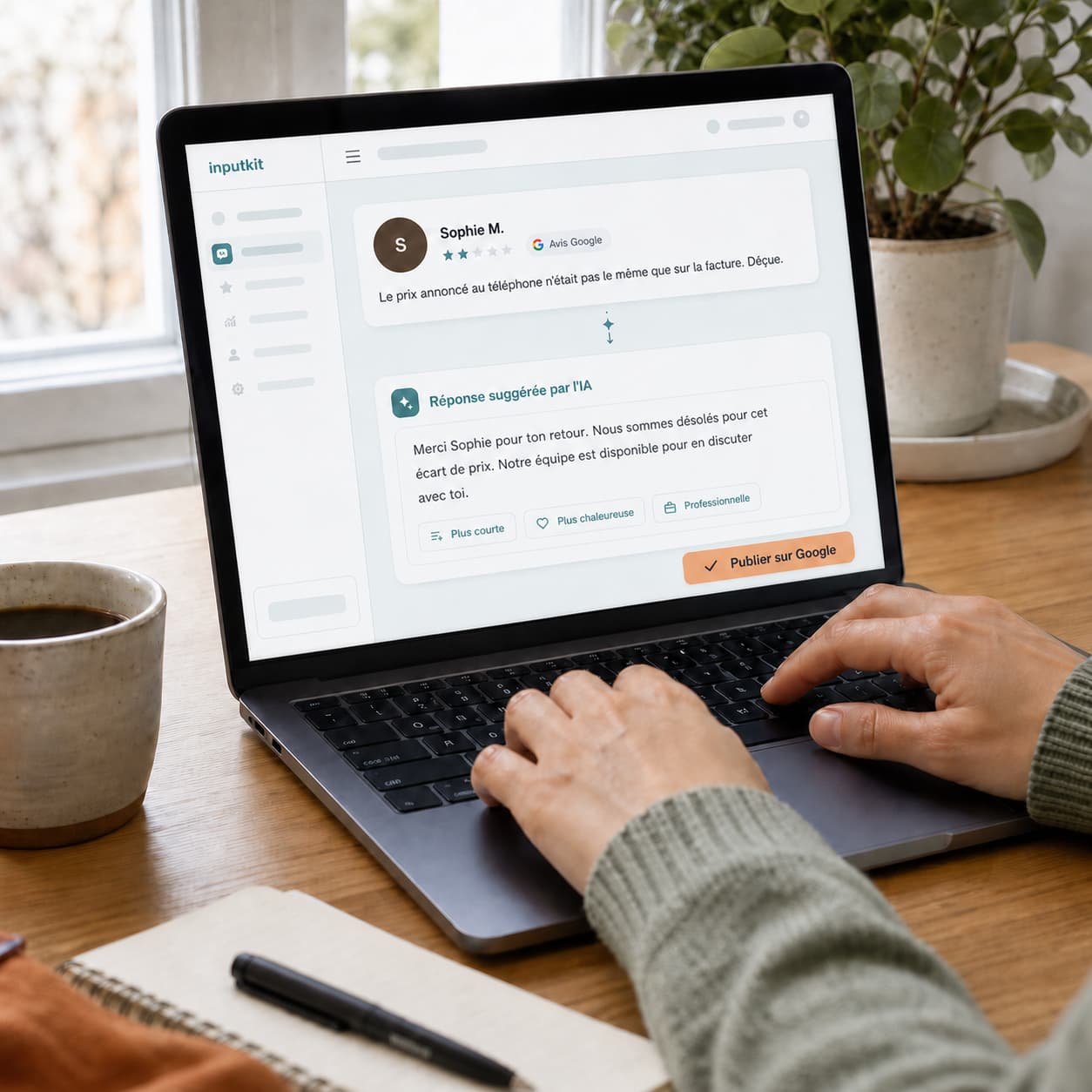 Google reviews
Reply to your reviews with AI
Replies written in your voice, in one click.
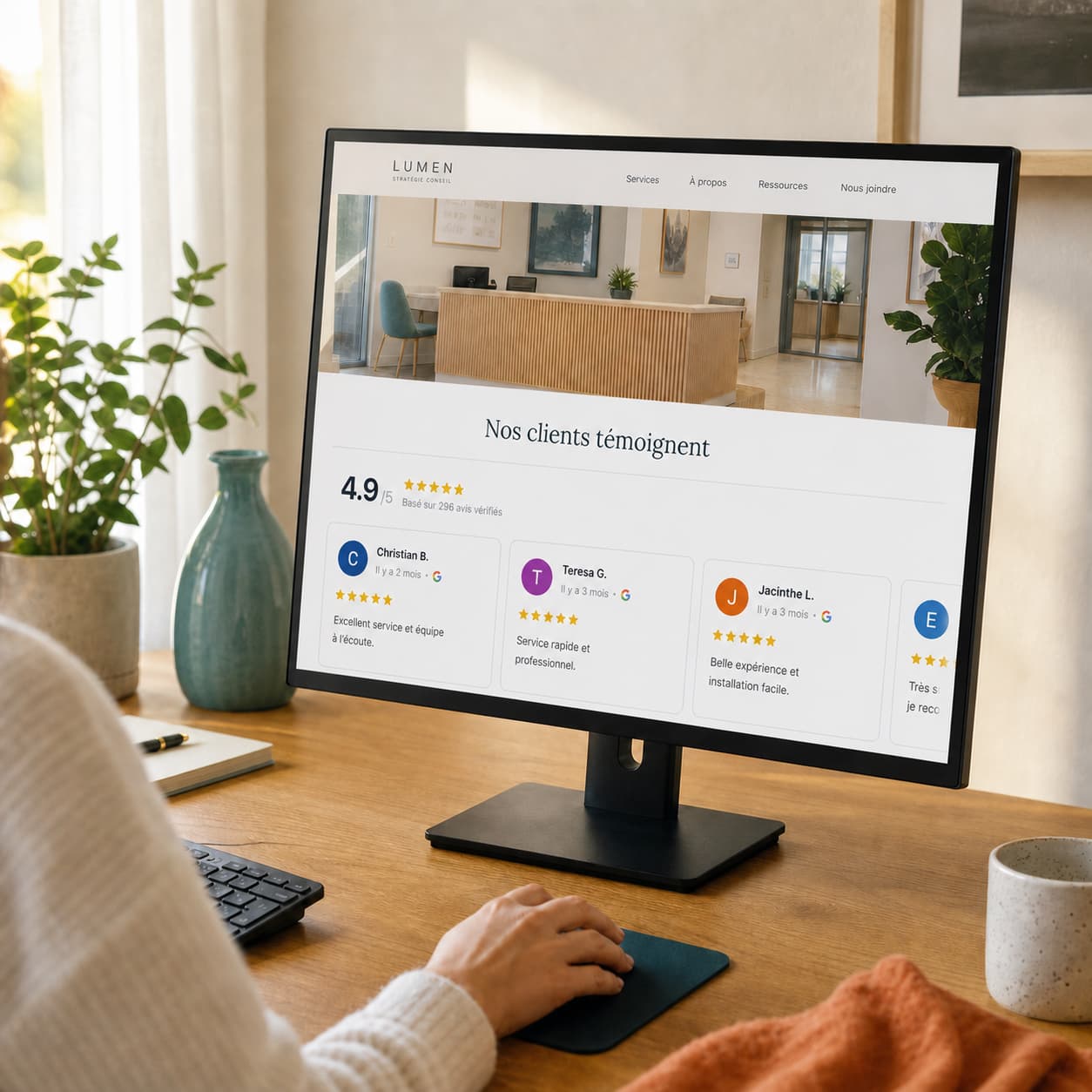 Google reviews
Show your reviews on your site
One block of code, verified reviews on your pages.
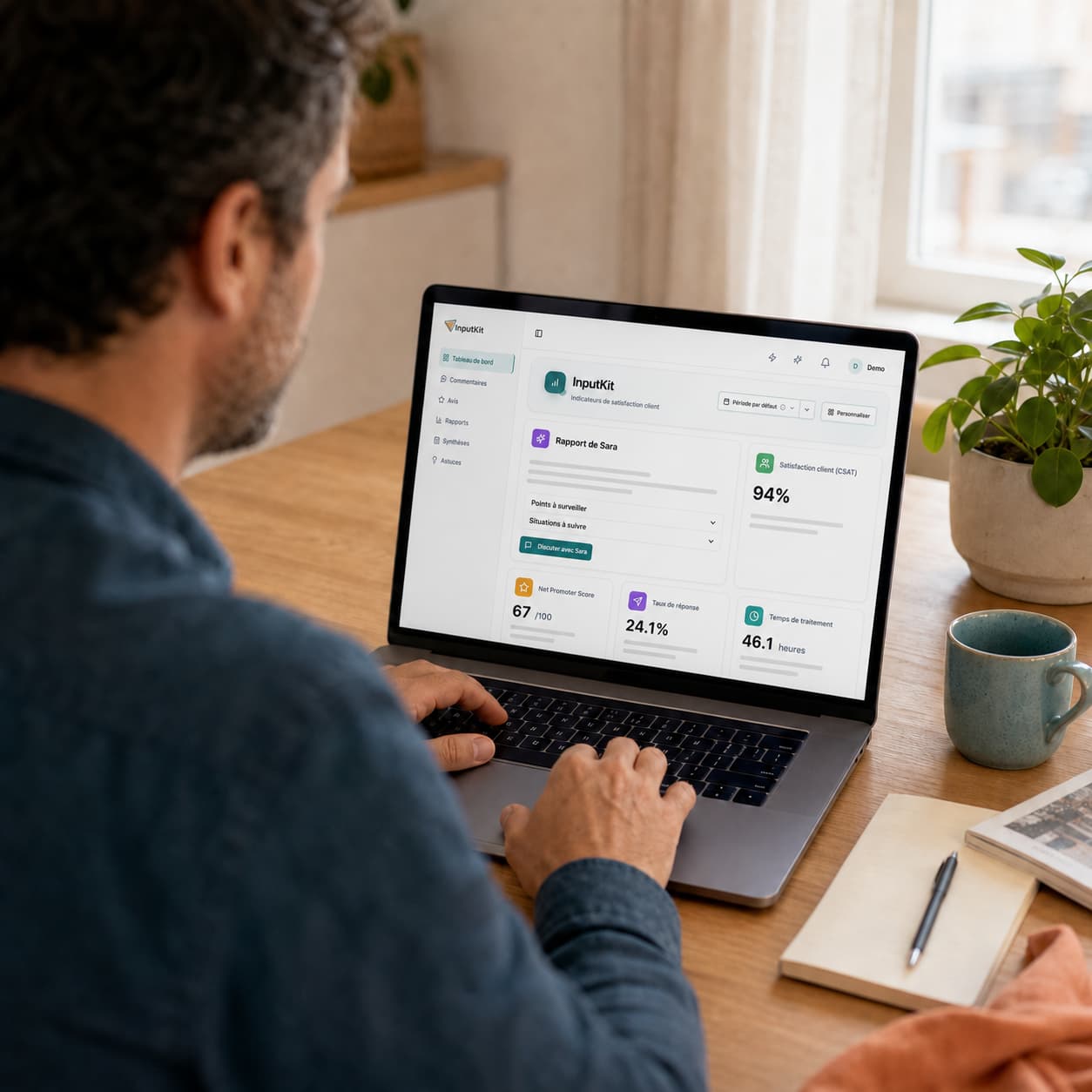 Customer experience
Steer your customer experience
Surveys, metrics and follow-ups, continuously.
 Customer experience
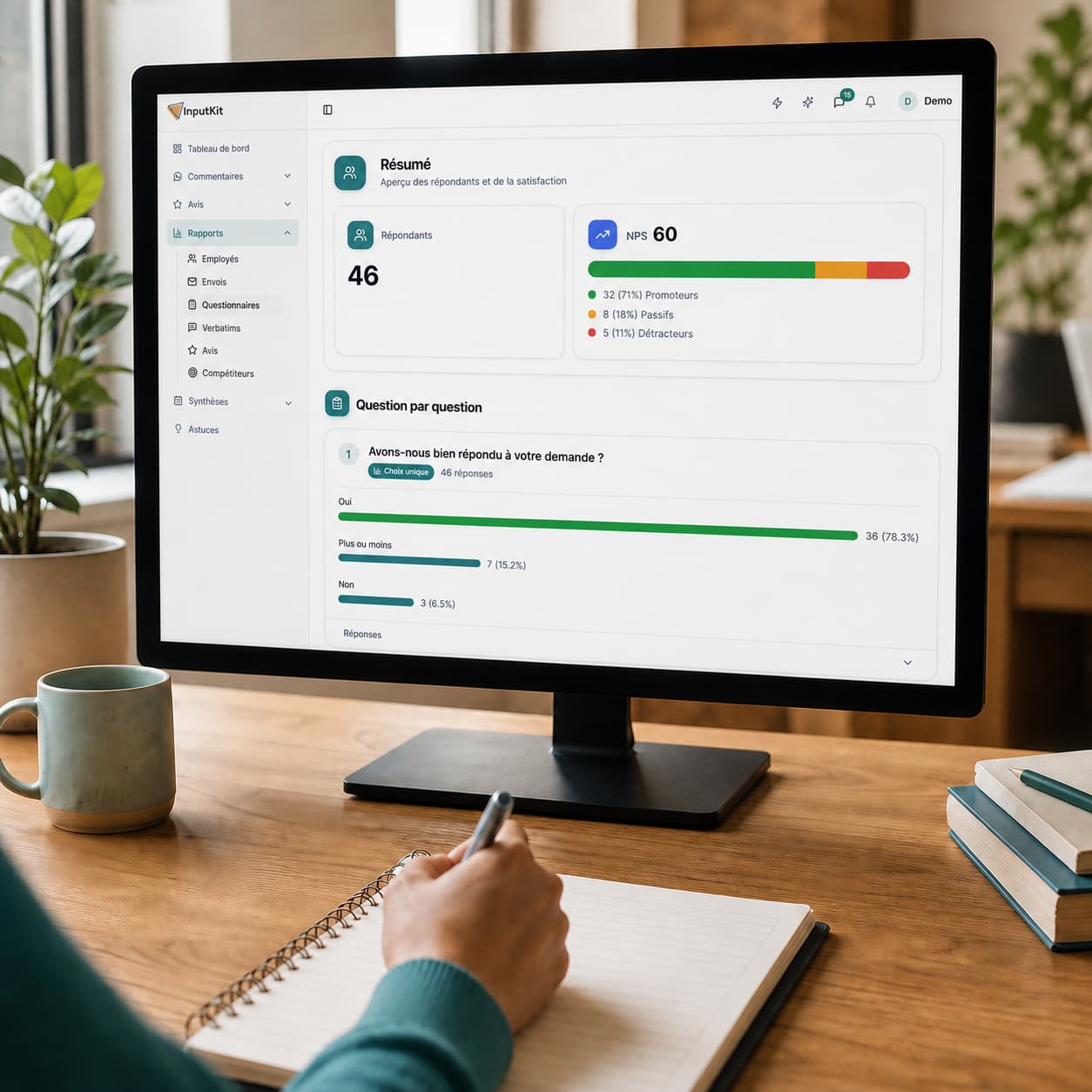
Measure your customers' satisfaction
CSAT, NPS and response rate, calculated for you.
 Customer experience
Recognize and motivate your team
Reports per employee and positive comments shared.
 Customer experience
Turn feedback into actions
Comments grouped by category, clear priorities.
InputKit allows us to see what's happening in the office, detect dissatisfied clients, and act quickly through notifications. Before, it was harder to know what our clients really thought. Now, they talk more.
Pierre Papillon
CPA auditor, Papillon & Associés
Montreal, Quebec
Ready to spot at-risk customers while there is still time?
In 15 minutes we'll walk you through the whole path: your satisfaction thresholds, the alert that reaches the right owner, and the board that tracks every case to closure.
Customers retained

Case closed
“They called me before I even had to complain. That's a first for me.”